

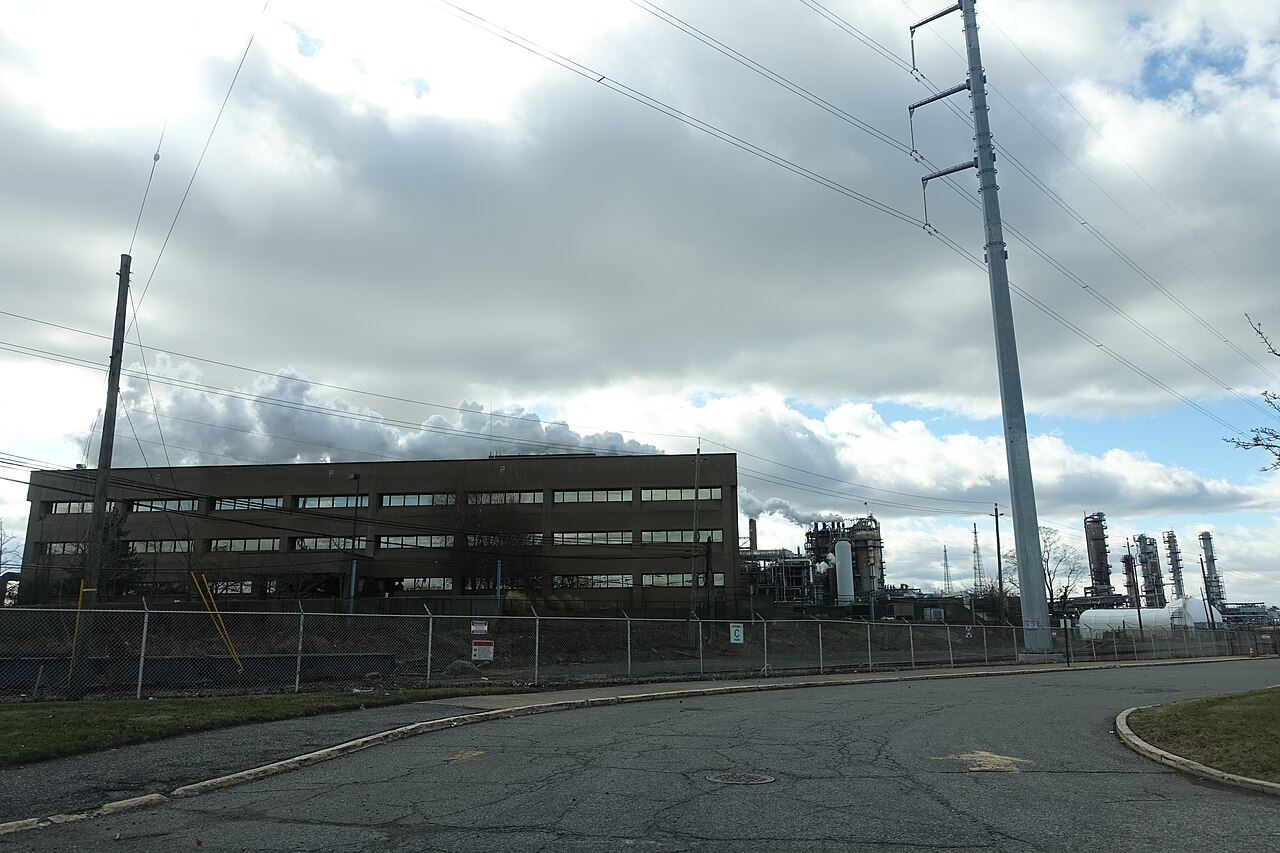
West Bengal Chief Minister Suvendu Adhikari on 14 October 2026 inaugurated a ₹6,000-crore phenol and acetone complex at Haldia, built by Adperma Private Limited, a wholly owned subsidiary of Haldia Petrochemicals Limited (HPL). The plant has an annual capacity of 3.45 lakh tonnes of phenol and 2.15 lakh tonnes of acetone, making it the largest facility of its kind in India and the only integrated phenol and acetone production complex on the country’s east coast.
The project
The complex uses process technology licensed from Lummus Technology, a TCG Group company, and uses propylene and benzene as feedstocks. HPL, one of India’s major producers of polyethylene and polypropylene, is setting up the unit to extend its value chain beyond olefins and polymers into chemical intermediates.
The plant is expected to strengthen domestic supply of the two chemicals, which India has long imported in large volumes, and to reduce Indian manufacturers’ exposure to import dependence and international price volatility. Speaking at the event, Adhikari described the occasion as “a historic day for us”. He also said the state would unveil a new industrial policy after Diwali, aimed at making West Bengal the most preferred investment destination within a year.
Why phenol and acetone matter for plastics
Phenol and acetone are the two building blocks of bisphenol-A (BPA), the key raw material for polycarbonate and epoxy resins. Phenol is also used to make phenolic resins for laminates, plywood adhesives and moulding compounds. Acetone is a widely used industrial solvent and an input for methyl methacrylate (MMA), the monomer for acrylic sheets and PMMA.
These downstream materials reach the plastics and construction sectors through polycarbonate sheets and glazing, epoxy-based coatings and composites, and laminates. A larger domestic supply base for phenol and acetone could, over time, support investment in BPA and polycarbonate capacity in India, an area where the country remains heavily import-dependent.
Haldia’s growing petrochemical cluster
The phenol and acetone complex adds a new chain to the Haldia industrial cluster, which is anchored by HPL’s naphtha cracker and polymer units. The site has faced challenges this year, including a fatal naphtha pipeline fire reported in July; see our earlier coverage of the Haldia Petrochemicals pipeline fire.
What it means for Indian buyers
For Indian users of phenol and acetone – including resin, laminate, pharmaceutical and solvent-based industries – a large east-coast source could shorten supply lines and reduce reliance on imported cargoes, particularly for buyers in eastern India. The commercial impact will depend on how quickly the plant reaches stable operations and on its pricing relative to imports. For the polymer sector, the more significant long-term question is whether the new capacity triggers further downstream investment in BPA, polycarbonate and epoxy resins in India, which would reduce the country’s dependence on imported engineering plastics.
Featured image: Photo: Tdorante10 / Wikimedia Commons, CC BY-SA 4.0 (file photo)