

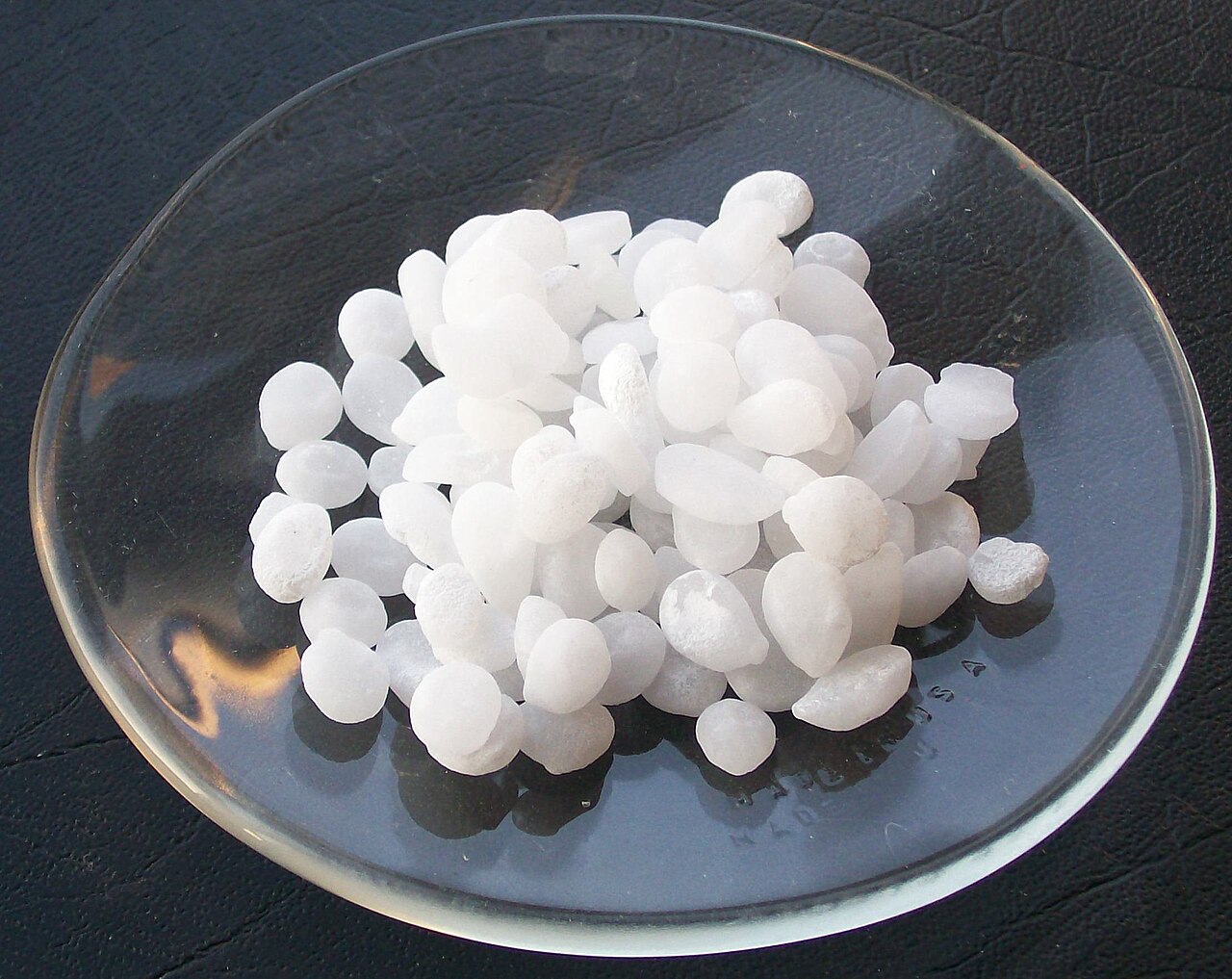
Kutch Chemical Industries has started up a new chlor-alkali plant at Padana in Gujarat with an annual capacity of 220,000 tonnes of caustic soda, technology supplier thyssenkrupp nucera said on 5 November 2026. The German electrolysis specialist said the plant’s electrolysers have begun operating, and that the unit can produce up to 675 tonnes per day of caustic soda, measured as 100% sodium hydroxide.
Five membrane electrolysers
The plant runs five electrolysers built on thyssenkrupp nucera’s BM Generation 6+ membrane technology, with each unit rated at up to 135 tonnes per day, according to reports of the company’s announcement. Thyssenkrupp nucera supplied the engineering, its proprietary technology and the core equipment, and supported the start-up and commissioning of the plant.
The two companies have worked together since 2017. In 2021 thyssenkrupp nucera announced an order to expand chlor-alkali output at the same Padana site; trade press at the time described the project as more than doubling the site’s output, with completion then planned for 2023. The commissioning announced this month comes about three years after that original target.
Why chlor-alkali matters to the PVC chain
Brine electrolysis produces caustic soda and chlorine together, in fixed proportions. Chlorine is the starting point for ethylene dichloride (EDC) and vinyl chloride monomer (VCM), the feedstocks for PVC resin, and it also goes into a wide range of other chemicals. Each new chlor-alkali unit therefore adds chlorine to the Indian market as well as caustic soda, whether or not the producer makes PVC itself.
That balance has been a pressure point for Indian producers this year. Grasim Industries, one of the country’s largest caustic soda makers, said in its September-quarter results that negative chlorine realisations squeezed the profitability of its chemicals business even as revenue rose. Read our report on Grasim’s Q2 FY27 chemicals results.
What it means for Indian processors
For PVC processors and pipe makers, the Padana plant does not add resin capacity on its own. Its relevance is upstream: more chlorine supply in Gujarat, India’s main chemicals hub, adds to the pool of chlorine looking for outlets. When chlorine is in surplus and realisations are weak, integrated vinyl producers with their own EDC and VCM units are better placed to absorb it, while stand-alone caustic soda makers have to sell or dispose of it.
The commissioning also shows that investment in Indian chlor-alkali capacity is continuing despite weak chlorine prices. Buyers of caustic soda, including alumina, textiles, paper and soaps producers, gain another large domestic source of supply, while for the vinyl chain the questions are how quickly new chlorine finds buyers and whether it ends up supporting more domestic EDC and VCM production.
Featured image: Photo: Walkerma / Wikimedia Commons, Public domain (file photo)