

The GST Council, at its 57th meeting held on 8 October 2026, has recommended bringing supplies of plastic waste and scrap under the reverse charge mechanism (RCM) and introducing a 2% tax deducted at source (TDS) on business-to-business purchases of such scrap. The proposal, which also covers electrical and electronic waste, tyre waste and scrap, and used cooking oil, is aimed at a part of the supply chain that feeds India’s plastics recycling and reprocessing industry.
What the Council has recommended
Under the recommendation, when plastic waste or scrap is supplied by an unregistered person to a registered person, the liability to pay GST will shift to the registered buyer under RCM. The supplier will be required to take GST registration as and when it crosses the threshold limit.
For supplies between registered persons, the Council has recommended a 2% TDS. The registered buyer will deduct the tax on purchases of the specified waste and scrap from registered suppliers and file the TDS return in Form GSTR-7.
The mechanism is modelled on the TDS and RCM framework already in place for metal scrap, which was introduced on the recommendations of the 54th GST Council meeting in September 2024.
Not yet in force
The changes are recommendations at this stage. They will take effect only after the necessary amendments to the law or rules and the issue of notifications, and an effective date has not been officially confirmed. Businesses handling plastic scrap will need to watch for the final notifications, which will set out the precise scope of the goods covered and the operational details.
Why it matters for plastics recyclers and processors
Much of India’s post-consumer and post-industrial plastic scrap – including PVC, PE, PP and PET – moves from waste pickers and small aggregators, many of them unregistered, to registered recyclers and reprocessors. Shifting the tax liability to the registered buyer is designed to close a gap in which tax on the early stages of this chain often went unpaid, while also giving buyers a documented basis for their purchases.
For recyclers, the practical effect will be additional compliance: paying GST on reverse charge for purchases from unregistered sellers, deducting TDS on purchases from registered suppliers and filing GSTR-7 returns. The 2% TDS will also hold back a portion of payments to registered scrap suppliers until they claim credit for it, which could affect working capital for smaller traders.
PVC compounders and pipe and profile makers that use in-house or bought-in regrind, as well as companies sourcing recyclate to meet recycled-content obligations under the Extended Producer Responsibility (EPR) framework, are likely to see more paperwork in their scrap procurement. Over time, better documentation of scrap flows could also support traceability, an area that has become increasingly important as recycled-content requirements tighten. For background on the challenges of recovering PVC, see our earlier report on recycling PVC in a circular economy.
What to watch
The key details for industry will be the notified effective date, the exact tariff headings covered under plastic waste and scrap, and any transition arrangements for unregistered suppliers. The experience with metal scrap since 2024 suggests buyers will need to verify supplier registration status carefully and adjust their purchase and payment systems before the rules take effect.
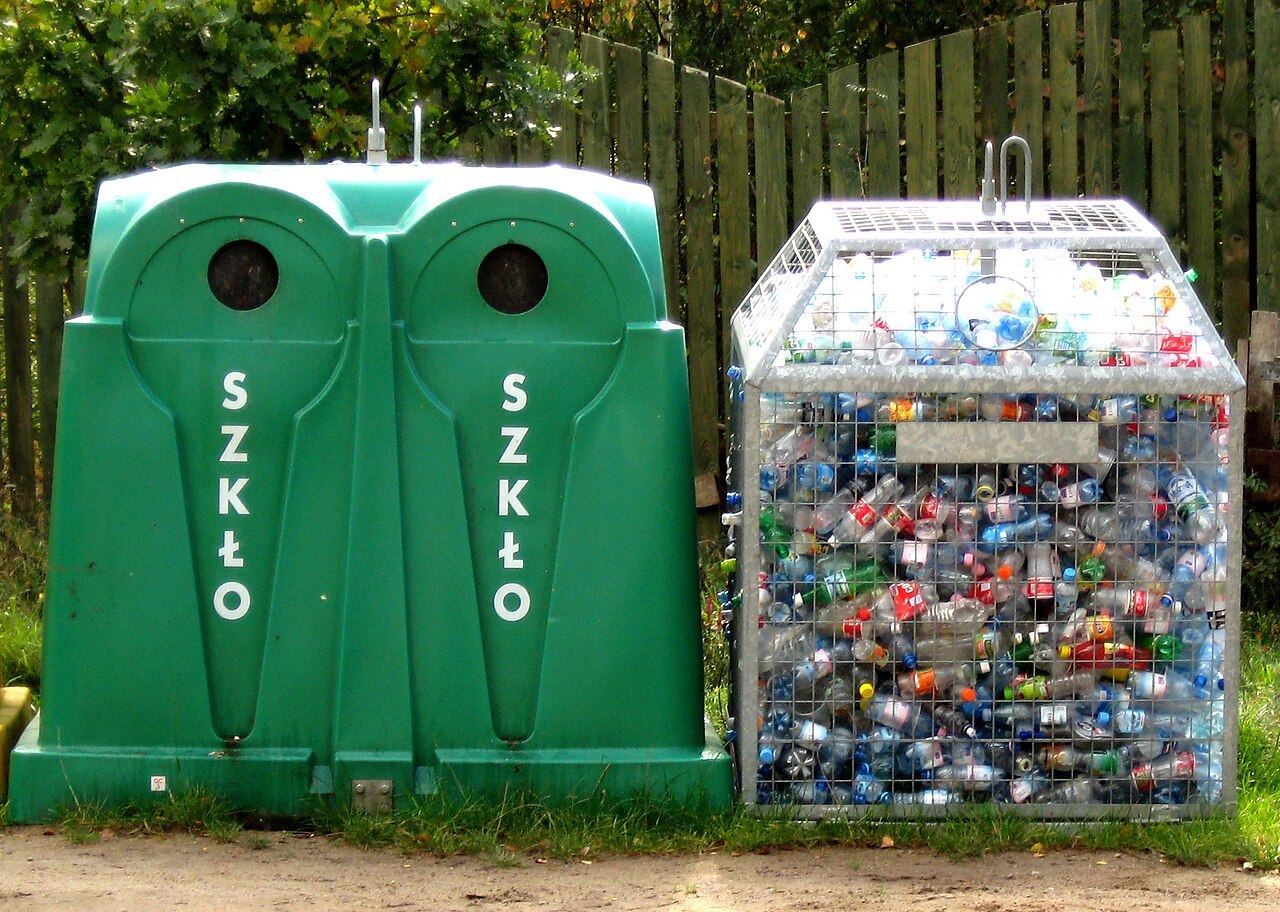
Featured image: Photo: © 2008 by Tomasz Sienicki [user: tsca, mail: tomasz.sienicki at gmail.com] / Wikimedia Commons, CC BY 3.0 (file photo)