

India’s Directorate General of Trade Remedies (DGTR) has recommended a provisional countervailing duty (CVD) of between $83.72 and $143.82 per tonne on PVC suspension resin imported from China. The recommendation is contained in preliminary findings published on 26 October 2026 in the anti-subsidy investigation into Chinese resin, the most widely used grade for pipes, fittings and profiles in India.
What the DGTR found
According to trade press reports on the findings, the DGTR concluded that subsidised PVC suspension resin from China caused material injury to domestic producers. The proposed rates vary by Chinese producer, and the authority applied the lesser-duty rule, recommending the lower of the calculated subsidy margin and injury margin for each exporter.
Reports on the findings say the landed price of Chinese resin fell 34 per cent between 2022-23 and the period of investigation, while subsidised imports rose 91 per cent. The investigation, registered as case CVD (OI)-07/2025, covers imports between 1 October 2024 and 30 September 2025.
Why the case was brought
The anti-subsidy probe was opened earlier in 2026 after domestic manufacturers complained that subsidised Chinese material was being sold in India at unfairly low prices. The applicants also alleged that Chinese exporters had absorbed the existing anti-dumping duty, effectively neutralising its intended impact.
China’s weight in India’s import basket has grown sharply. S&P Global has reported that Chinese material reached 1.17 million mt in calendar year 2025, accounting for about 47 per cent of India’s total PVC suspension grade imports, up from 38 per cent in 2024. The CVD recommendation comes on top of a six-month minimum import price regime for PVC resin that the government introduced in July 2026, and follows a series of trade-remedy steps across the PVC and plasticiser chain, including the recent safeguard duty recommendation on DOTP imports from Korea.
What happens next
The DGTR’s recommendation is not yet in force. The Ministry of Finance must decide whether to accept it and notify the duty before it can be collected at the border. The investigation will also continue to final findings, at which point the authority can confirm, revise or drop the proposed rates.
What it means for Indian processors
For pipe and fittings makers, which depend heavily on imported suspension resin to meet demand, a CVD in this range would raise the landed cost of Chinese cargoes if notified. That could narrow the price gap between imported and domestically produced resin, supporting Indian resin makers but limiting the cheapest import option for converters.
Buyers will be watching three things: whether the Finance Ministry notifies the duty, how the rates interact with the minimum import price already in place, and whether shipments shift to other origins. Processors with significant China-sourced contracts may want to review pricing clauses and inventory plans while the decision is pending.
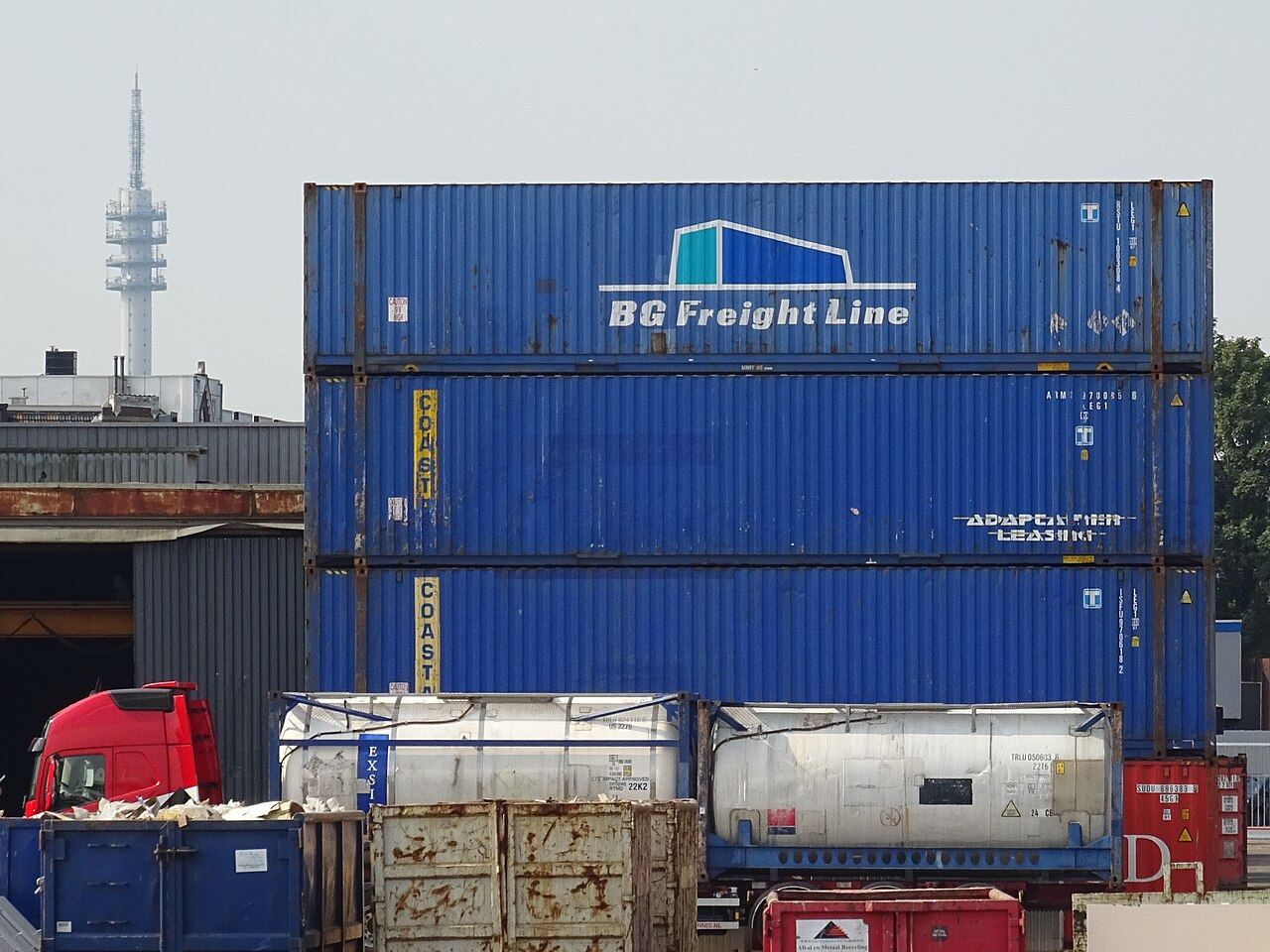
Featured image: Photo: AgainErick / Wikimedia Commons, CC BY-SA 4.0 (file photo)