

The European Commission has made imports of certain polyvinyl chloride (PVC) from China, South Korea, Mexico and Taiwan subject to customs registration, a step that allows any anti-dumping duties eventually imposed to be collected retroactively. The measure is set out in Commission Implementing Regulation (EU) 2026/2345 of 23 October 2026, adopted alongside a separate regulation, 2026/2346, covering silicon from China.
What the regulation covers
Registration applies to PVC produced by suspension polymerisation and bulk (mass) polymerisation in pure form, the grades used in pipes, profiles and other rigid applications. Emulsion (paste) PVC is excluded. The registration period runs for nine months under Article 14(5) of the EU’s basic anti-dumping regulation. Reports differ slightly on the start date: Argus reported that any duties would apply to imports arriving from 23 October 2026, while MLex reported registration applying from 27 October.
Registration does not by itself impose a duty. Retroactive collection will depend on the investigation’s findings and on whether the legal conditions for it are met.
Background to the case
The Commission opened the anti-dumping investigation, case AD762, on 23 September 2026. It covers a period of investigation from 1 April 2025 to 31 March 2026. In their complaint, European producers estimated dumping margins of 84–273 per cent for China, 21–61 per cent for Korea, 65 per cent for Mexico and 13–39 per cent for Taiwan. According to Argus, pre-disclosure of any provisional measures is likely around 23 April 2027, with definitive measures expected to be disclosed in November 2027.
INEOS, whose Inovyn division is a major player in the European PVC industry, welcomed the investigation as an “important first step” and called for wider reform of EU trade defence. The case comes as Europe’s vinyls sector consolidates: Westlake said in late September that it will close its 165,000-tonne-a-year Cologne PVC plant in the first quarter of 2027.
Who is most exposed
South Korea appears most exposed among the four origins, with Europe accounting for around a third of its PVC exports, according to S&P Global. The Korean industry is already involved in trade disputes over European material, having seen Seoul impose anti-dumping duties on European PVC paste resin earlier this year.
What it means for India
For Indian buyers, the EU move adds to a growing list of trade barriers facing Asian PVC exporters. Market participants have said the EU case is prompting a reassessment of global PVC trade flows. If Korean, Taiwanese or Chinese cargoes are priced out of Europe, sellers may look harder at other outlets, including South Asia.
India, however, has its own defences in place, including a six-month minimum import price on PVC resin introduced in July 2026 and an ongoing countervailing duty investigation into Chinese suspension resin. Importers and pipe makers should watch how these overlapping measures shape the offers they receive from North-East Asian suppliers over the coming months.
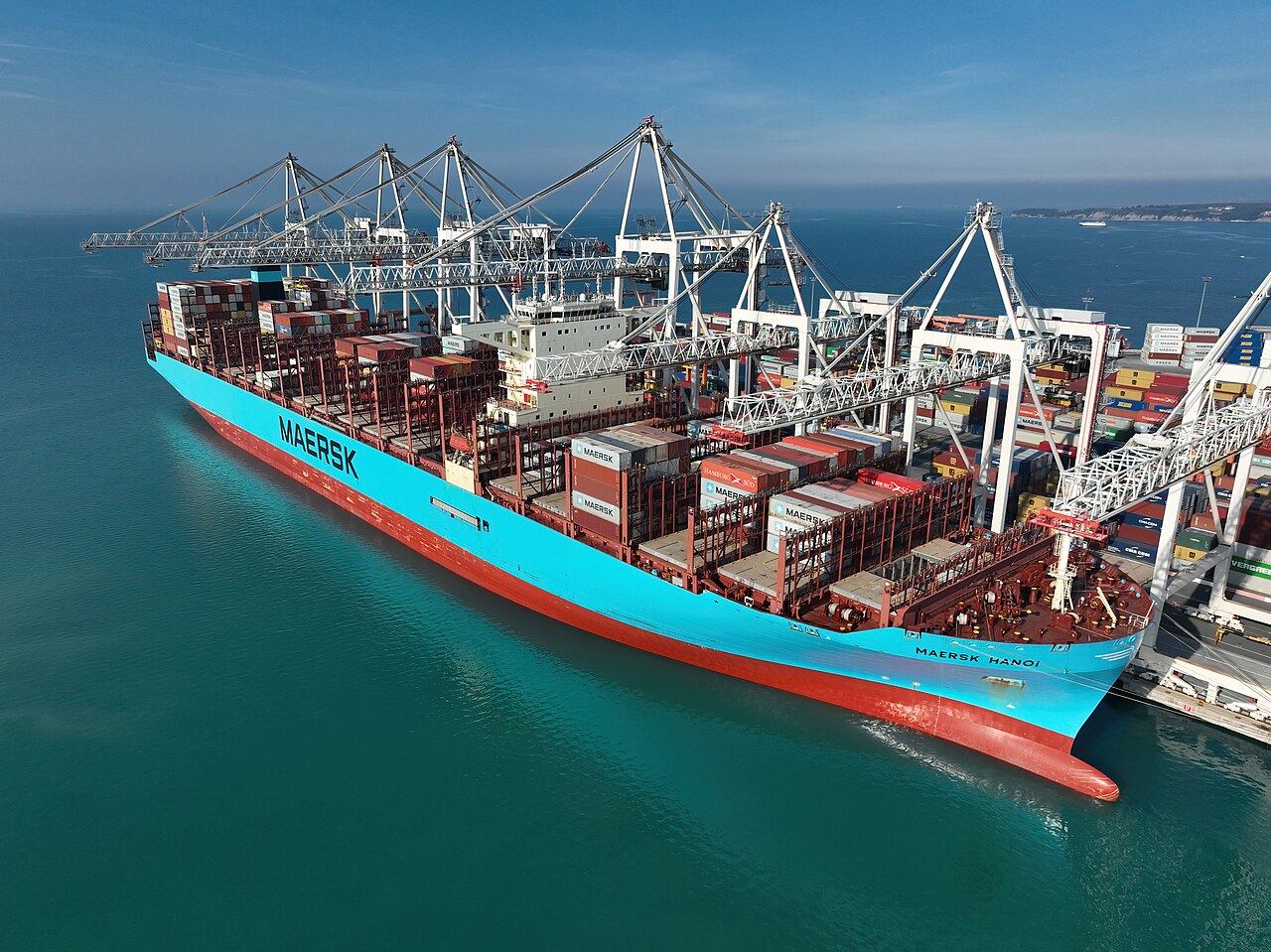
Featured image: Photo: Petar Milošević / Wikimedia Commons, CC BY-SA 4.0 (file photo)